Want to keep up to date with all the latest news and updates Discord has for game developers?
Note: This case study documents a campaign conducted by Sabotage Studio between 2019 and 2022. Screenshots reflect the Discord interface at the time of the event (including legacy "Bot" tags) and may differ from the current platform experience.
When the Production Gap Became the Game
Between 2019 and 2022, Sabotage Studio faced a familiar single-player problem: a years-long gap between releases. Instead of going quiet, the studio leveraged the full depth of Discord's feature set. They created an Alternate Reality Game (ARG) and relied on apps and automation to keep the community busy (and occasionally surprised). Years later, the strategy still holds up as a benchmark for intentional, creative community design.
At a Glance
- They Filled the Single-Player Dead Zone
Sabotage built a story-driven ARG on Discord that kept players engaged during a multi-year development gap. - Discord Was the Game Surface
The server wasn’t just a place for updates, it was where Sabotage’s interactive ARG experience unfolded. - Automation Did the Work
Custom apps such as The Clockwork Concierge and Headmaster Moraine handled moderation, rewards, verification, and progression. - Creative Strategy Beat Scale
With a small team and no live-ops budget, Sabotage proved that strong community design can outperform sheer resources.
The Problem: The Silence Between Ships
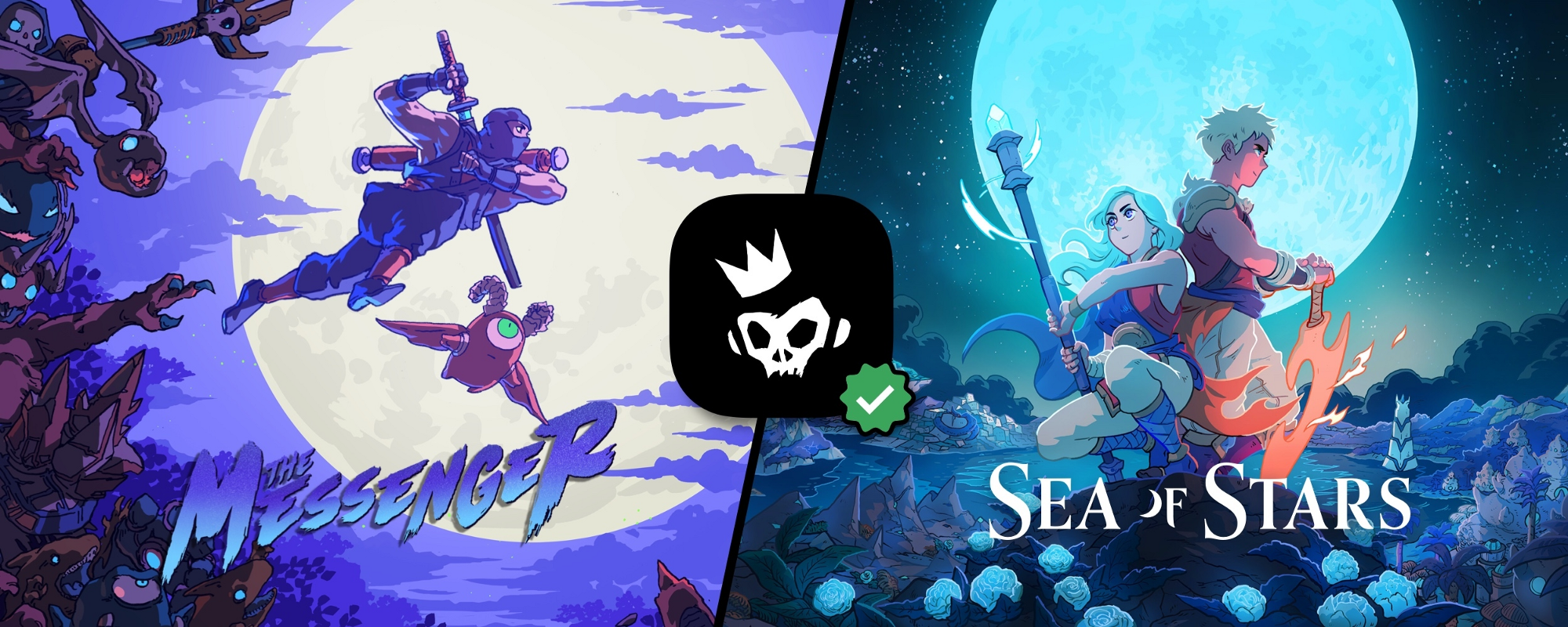
Anyone who’s built a single-player game knows the cycle: crunch, ship, patch… then silence. After releasing their 8-bit hit The Messenger, Sabotage Studio was staring down that quiet period with their next game, Sea of Stars, still years away.
As an indie studio without a live-service model or regular content drops, they faced a familiar risk: a community with nothing to do eventually finds something else to do.
The Strategy
Sabotage approached their server with the same game design systems thinking they apply to their titles.
They ran a long-form ARG set in the shared universe of The Messenger and Sea of Stars, where Discord wasn’t a place to discuss the game so much as the place where it actually happened.
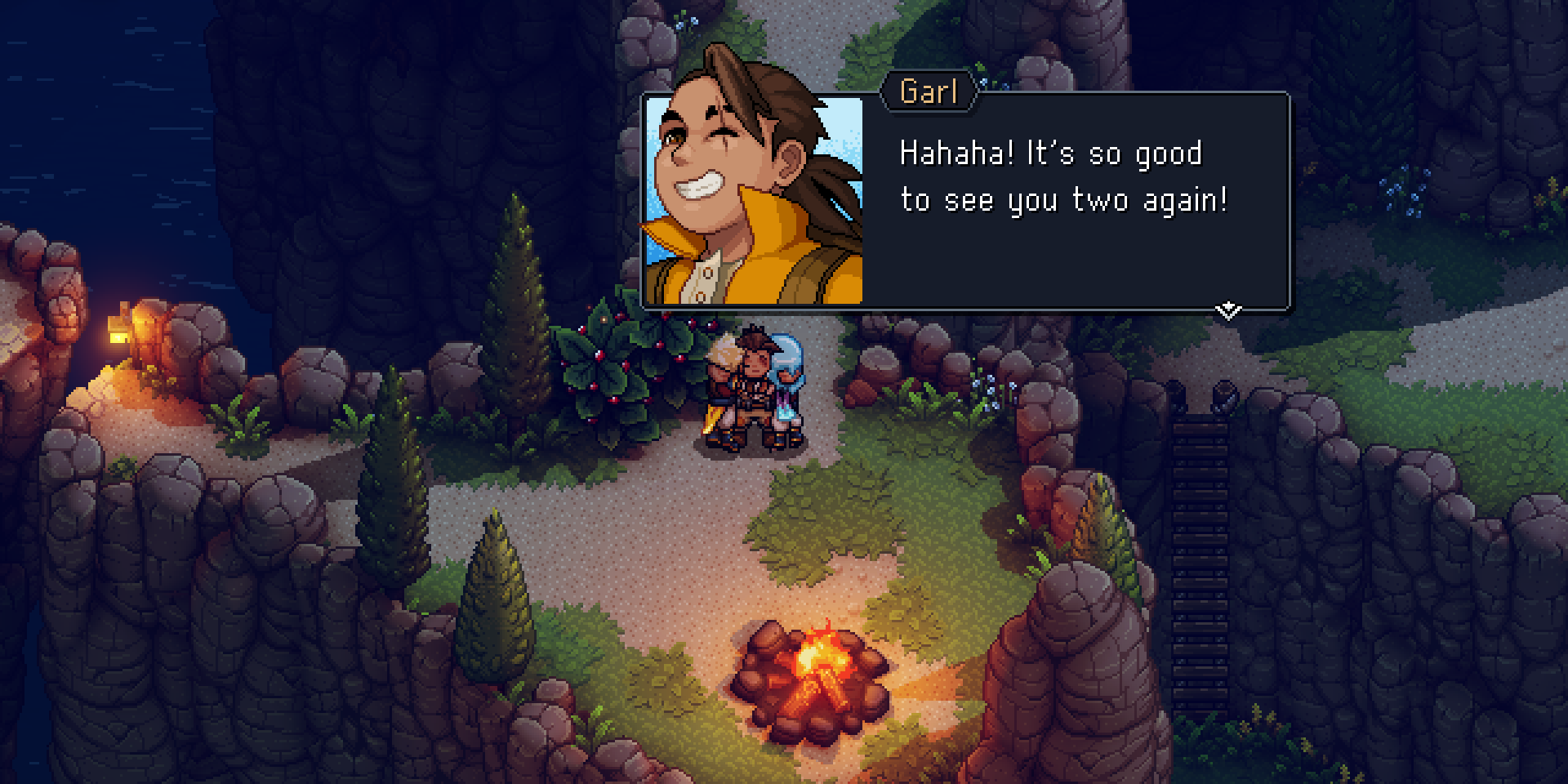
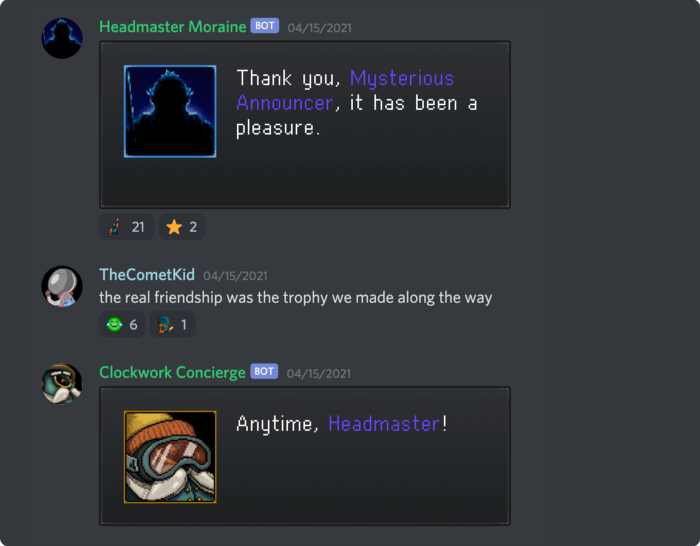
To ground the ARG in the world they were building, Sabotage created a Dialog Renderer that generated in-game dialogue boxes directly in chat, complete with the game’s real UI, fonts, and art—so characters didn’t just post messages, they appeared exactly as players would see them in The Messenger .
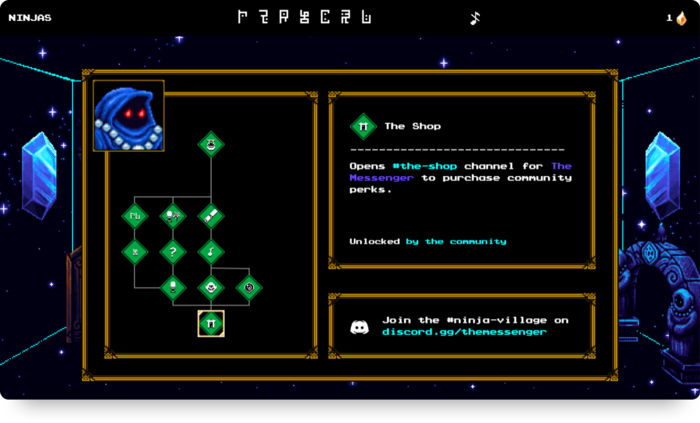
Along the way, Sabotage layered in a lightweight participation economy: players earned “timeshards” through engagement, unlocking perks and story moments over time, including the eventual reveal of Sea of Stars, which the community uncovered together.
Apps weren’t just background tools; many existed as in-world systems or characters, quietly turning routine Discord behavior into part of the ARG itself.
Apps Became Gameplay
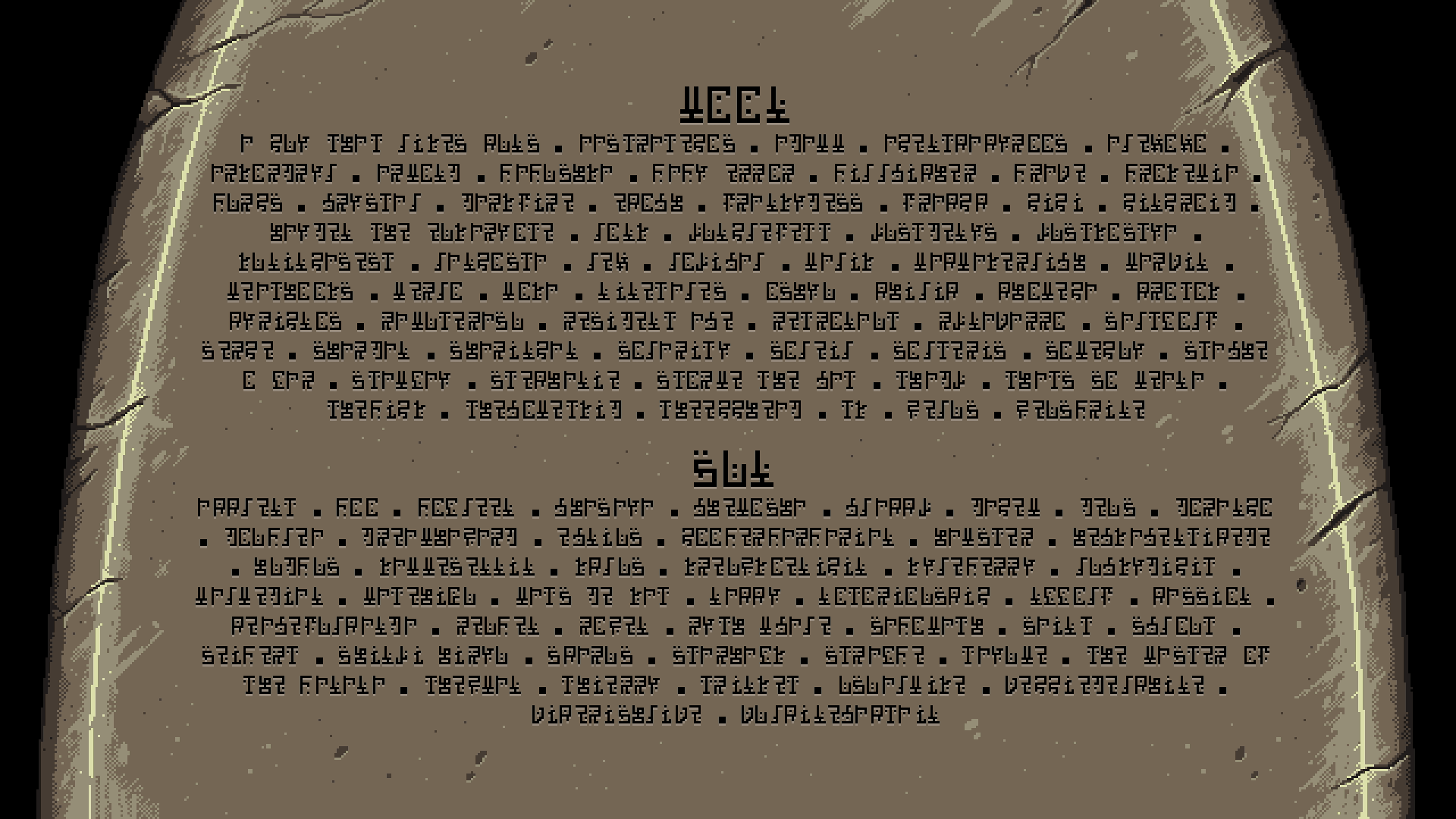
That approach showed up most clearly in the Mooncradle Snowball Fight, a competition between two factions. Instead of running a poll or counting reactions, Sabotage built an actual combat system. The bot issued digital “snowballs” as inventory items, and players had to use a command to attack an opponent within a set window. Behind the scenes, the bot tracked timestamps and determined the winner based on which team held snowballs for the least amount of time—basically hot potato, but frozen.
By designing systems that could run themselves, Sabotage kept their community active and involved throughout a long development cycle. In the process, they turned the space between releases into part of the experience itself—showing that with the right strategy, even the waiting can be fun.
The payoff went beyond Discord: the usernames of the winning players were hard-coded onto a trophy asset inside Sea of Stars itself. A community event that became an official in-game item.
Let the Apps Do It
Sabotage automated the parts of community management that are predictable, repetitive, and easy to get wrong if humans are involved.
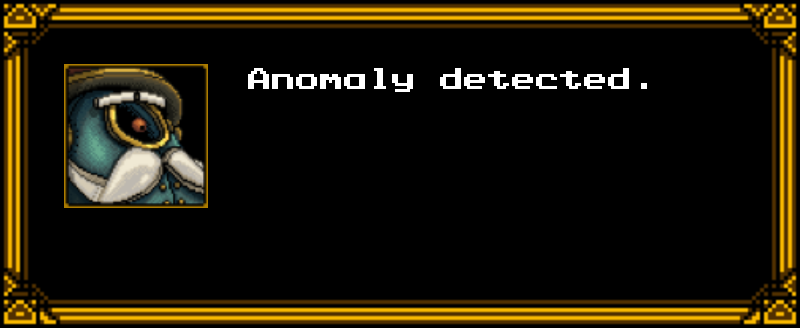
For moderation, Sabotage built The Clockwork Concierge, a custom app modeled after a boss from The Messenger. Built to enforce a strict three-strikes-and-you’re-out policy, the Concierge was ruthless. No judgment calls, no case-by-case debates, no waking up at 3 a.m. wondering if a ban triggered an existential crisis. By delegating the “bad cop” role to a script, Sabotage freed volunteer moderators to focus on positive interactions—the reason (most of them) signed up.
Sabotage applied the same thinking to recruitment. Headmaster Moraine, a recruitment bot, ran a peer-nomination process and conducted scripted DM interviews, saving everyone involved from an actual interview process. By the time a human stepped in, vetting was already done—keeping roles like Solstice Warrior meaningful without becoming a time sink.
Scaling Without Live Ops
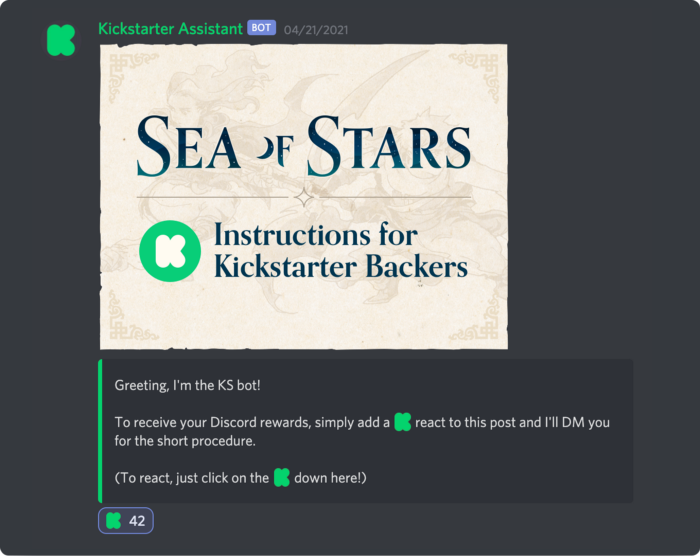
Sabotage’s automation was put to the test during the Sea of Stars Kickstarter. To handle backer verification and rewards, the team built a custom bot. It worked—too well. Thousands of backers hit it in the first hour, triggering Discord’s spam filters and shutting it down.
The app joyfully processed more than 10,000 backers - automatically, no human required.
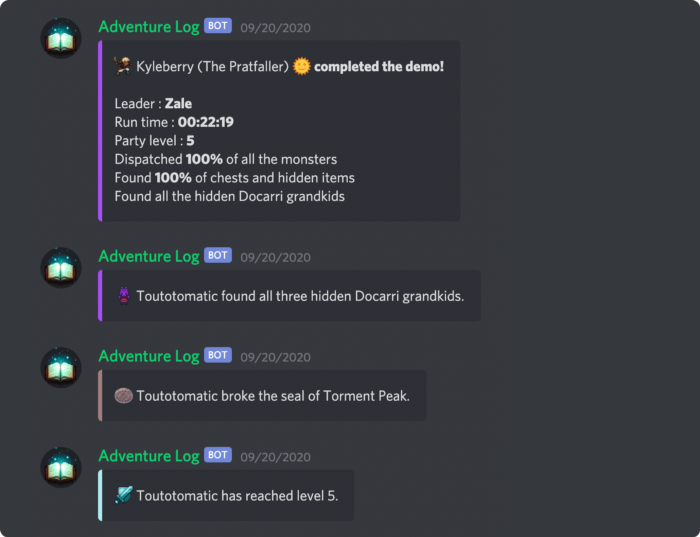
The team used the same approach elsewhere, using a bot to broadcast live demo activity directly into Discord. Players could see others progressing through the demo in real time, turning what’s usually a solitary experience into something communal—without spending money on traditional marketing.
Takeaway
By designing systems that could run themselves, Sabotage kept their community active and involved throughout a long development cycle. In the process, they turned the space between releases into part of the experience itself—showing that with the right strategy, even the waiting can be fun.
To learn how to build custom bots for your Discord community, go to discord.com/build.